

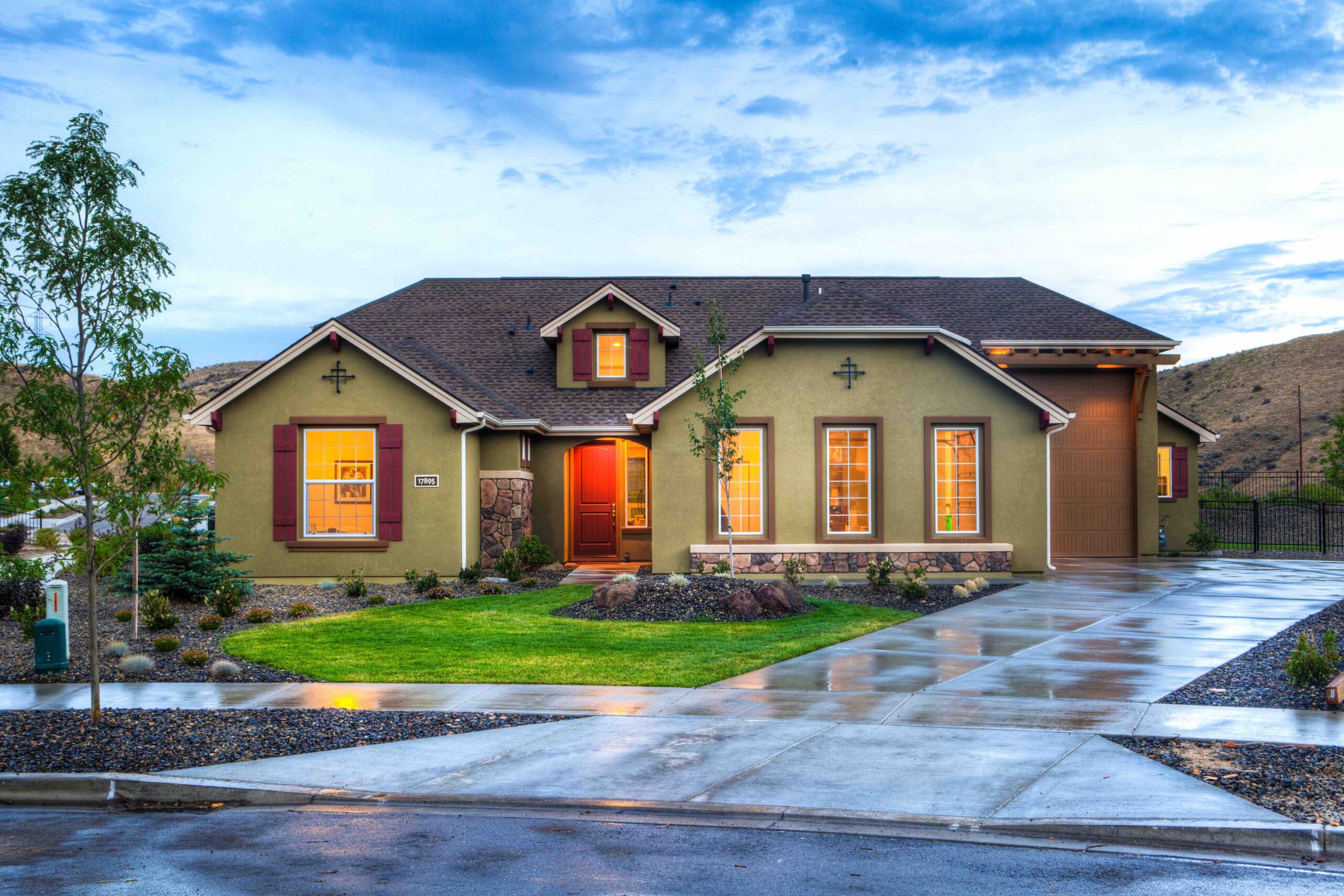
Have you been considering a home window replacement? There may be some better ideas that you should consider before pulling the trigger. In this post we summarize an article from The Washington Post entitled “What to consider before replacing the windows on your home“.
The article is based on the author being asked by a friend for some advice on having their home windows replaced. He explains that retaining and retrofitting your existing windows might be a much better option. He also makes the point of saying with current inflation that the sticker shock on window replacement might be quite eye-opening. He states that “It may be a better idea to install new weatherstripping and window films, and to paint your existing windows with the best urethane resin paint you can find
We hoped that you enjoyed this article considering a home window tint retrofit instead of home window replacement.”
As we install window films, we will focus on that option. These films are installed on your existing windows most commonly on the inside surface. Most home window film and tint installs can be done fairly quickly with very little disruption to your home. As the author mentions in the article, “you can apply transparent films to your existing windows and achieve the same results. One film can reject 97 percent of the IR light that’s trying to transform the inside of your house into a blast furnace. Another film can block significant amounts of UV light that work to fade your fabrics and carpets. These films cost a tiny fraction of what a new window might set you back.”
One thing the article mentions to consider is how long you might be staying in the home if you think the replacement windows will pay for themselves in the energy savings. He mentions that this might be much longer than you might expect by saying “My calculator showed it would take more than 86 years to break even. Yes, as energy costs rise, the payback period is reduced. Do your own math using your true annual heating and cooling costs. I think you’ll be stunned by the length of your payback period.”
We hope you enjoyed this post. If you would like to read the entire article in The Washington Post, click HERE.
To learn more about the residential window films we offer, click HERE. If you have any questions or would like to arrange for a free, no obligation consultation and quote, please contact Custom Shade today by calling (417) 823-8715 or fill out a form HERE. We are located in Springfield, Missouri and cover the surrounding area.
 Quality of Window Film Being Used – Like most things in life, window film / tint comes in a wide range of technologies and quality levels. It is critical when comparing different window film offerings that you understand the underlying product that will be used. First, let’s discuss quality. Window film is produced in various areas around the world at drastically differing quality levels. The construction of the film and the adhesive that holds it to the windows are where the rubber meets the road. The issue is that they all may look very similar the day you install them. Problems can arise if the film begins to fade, change color, delaminate, etc after a few years. Worse yet, it can begin to lose adhesion to the glass and bubble. You may have seen a window with film installed with this unfortunate problem.
 Liz Crawford wrote a piece recently titled “
 While it is true that we see this specification in schools regularly, there is good news. This school safety vulnerability can be addressed by retrofitting existing tempered school glass with a security window film. When someone tries to gain access through the glass of a protected door or window, the security window film would allow the glass to break, but it would maintain the glass in the frame. While this film / glass combination can eventually be penetrated to gain access, the objective is to create resistance that slows the entry down. The goal is by slowing the entry down that will be giving school officials and local authorities time to respond to the threat.
Recent Comments