

Commercial window tint protects retail merchandise, supports healthcare privacy, improves restaurant ambiance, and more.

Beyond Energy Savings: How Commercial Window Tint Solves Industry-Specific Challenges

By | Safety & Security Window Film

You already know commercial window tint reduces cooling costs and blocks heat. But if you’re making the investment in window film for your business, you’re getting much more than lower utility bills. Different industries face unique operational challenges—and the right window tint addresses problems you might not have considered.

Retail: Protecting Your Merchandise Investment

Walk into any retail store with large windows and you’ll notice something: the merchandise closest to the glass often looks faded, sun-bleached, or worn compared to items deeper in the store. That’s ultraviolet radiation at work, and it’s costing you money.

Window tint blocks up to 99% of UV rays, which means the clothing, furniture, electronics, artwork, or specialty goods near your windows maintain their color and quality. For retailers with high-value inventory positioned in window displays or near natural light, this protection translates directly to reduced shrinkage from sun damage.

There’s a security angle here too. Darker tints reduce visibility from the outside, making it harder for potential thieves to case your store, identify high-value items, or plan smash-and-grab attempts. While window tint isn’t a substitute for proper security systems, it removes the easy visual access that makes some retail locations attractive targets.

Finally, consider the customer experience. Glare on product displays makes it difficult for shoppers to see details, read labels, or evaluate color and texture. Tinted windows create more consistent, flattering lighting throughout your retail space, which helps customers make purchasing decisions and stay in your store longer.

Medical and Dental Offices: Privacy That Patients Expect

Healthcare facilities face a unique challenge: they’re required by the Health Insurance Portability and Accountability Act (HIPAA) to maintain patient privacy, yet many medical and dental offices feature large windows or glass partitions that were designed to create an open, welcoming atmosphere.

Window tint provides a practical physical privacy layer that supports your compliance efforts. Frosted or tinted films obscure the view into treatment rooms, consultation areas, and reception desks where protected health information might be visible or discussed. While HIPAA doesn’t specifically mandate window tint—the regulations require “reasonable safeguards” without prescribing exact structural changes—adding privacy film demonstrates your commitment to protecting patient information beyond just digital security measures.

The privacy benefit extends to patient comfort and dignity. Nobody wants neighboring buildings, parking lot passersby, or people in the waiting room watching their dental procedure or medical examination. Privacy film lets natural light into treatment spaces while giving patients the confidentiality they expect from a healthcare provider.

There’s also the practical matter of glare. Medical and dental professionals work with computer screens, detailed instruments, and precise visual tasks all day. Excessive sunlight creates eye strain, makes it difficult to read monitors accurately, and can compromise the quality of care. Solar control window tint reduces glare without darkening the space or requiring constant adjustment of blinds throughout the day.

UV protection matters in healthcare settings too. Waiting room furniture, artwork, medical equipment, and flooring represent significant investments. Window tint prevents the sun damage that leads to premature replacement of these items, while also protecting patients and staff from harmful UV exposure during the day.

Restaurants: Creating Comfortable Dining Experiences

Restaurant success depends heavily on ambiance, and nothing ruins a dining experience faster than uncomfortable temperature or blinding sunlight in someone’s eyes. Window tint solves both problems without sacrificing the natural light that makes your space feel inviting.

The temperature issue is straightforward: tables near windows often become uncomfortably hot, especially during lunch service or late afternoon dining. Customers avoid those seats, servers hear constant complaints, and your HVAC system runs overtime trying to compensate for the solar heat gain. Solar control window tint blocks the infrared heat while allowing visible light through, which means your window tables become prime real estate instead of last-choice seating.

Glare management is equally important. Direct sunlight makes it impossible for diners to read menus, see their food clearly, or enjoy conversation without squinting or switching seats. It creates harsh shadows and unflattering lighting that nobody wants in their dining photos—and yes, social media presence matters for restaurants. Tinted windows diffuse the light, creating the soft, even illumination that makes both your food and your guests look their best.

Privacy considerations vary by restaurant type, but many establishments benefit from tinted or frosted windows. Fine dining restaurants maintain an intimate atmosphere when diners aren’t on display to sidewalk traffic. Casual restaurants with bar areas can create distinct zones with different levels of visibility. And any restaurant with outdoor seating areas nearby benefits from reduced visual clutter and distraction from outside.

Your interior finishes take a beating from sun exposure too. That hardwood flooring near the windows, the artwork on sun-facing walls, the fabric on booth seating—all of it fades and deteriorates under constant UV bombardment. Window tint preserves your investment in interior design and reduces how often you need to refinish, replace, or repair sun-damaged elements.

Warehouses: Protecting Inventory From Hidden Damage

Warehouses don’t usually prioritize aesthetics, but UV damage in storage facilities costs businesses far more than most owners realize. If your warehouse has skylights, loading dock doors, or any substantial window area, unprotected inventory near those openings is quietly degrading.

The products most vulnerable to UV damage include plastics (which become brittle and discolored), packaging materials (especially printed labels and boxes), textiles and fabrics, pharmaceuticals and medical supplies, food products, electronics, and any items with colored surfaces or dyes. Even products that seem durable can suffer: rubber seals crack, adhesives break down, and protective coatings degrade under constant UV exposure.

Window tint on warehouse skylights and windows blocks the UV radiation without significantly reducing the natural light that makes warehouses safer and more pleasant to work in. You maintain visibility for your staff while protecting the products that generate your revenue.

Temperature control matters in warehouses too. Extreme heat buildup in facilities with significant glass or skylight area forces your climate control system to work harder, increases operating costs, and can push stored products outside their recommended temperature ranges. Solar control film reduces that heat gain, creating more stable storage conditions and lowering your energy consumption.

There’s also a security element. Ground-level warehouse windows, loading dock glass, and office areas within warehouse facilities can be targets for break-ins. Security window film makes forced entry more difficult and time-consuming, holding glass together when broken and giving security personnel or law enforcement additional response time.

Making the Right Choice for Your Business

The common thread across all these applications is that window tint solves real operational problems beyond just energy efficiency. The film becomes a working part of your business infrastructure—protecting inventory, supporting regulatory compliance, improving customer experience, and reducing maintenance costs.

When evaluating window tint for your commercial property, consider these industry-specific benefits alongside the energy savings. The combined value often makes window film one of the most cost-effective improvements you can make to your facility.

Talk with your window film installer about your specific industry challenges. The right combination of tint level, UV blocking, heat rejection, and privacy features will depend on your unique operational needs—but the investment typically pays for itself through multiple channels simultaneously.

Ready to explore how commercial window tint can address your specific business challenges? Contact us for a consultation and facility assessment tailored to your industry.

If you have questions about these films, contact us at (417) 823-8715. We are located in Springfield, Missouri and cover the entire surrounding areas.

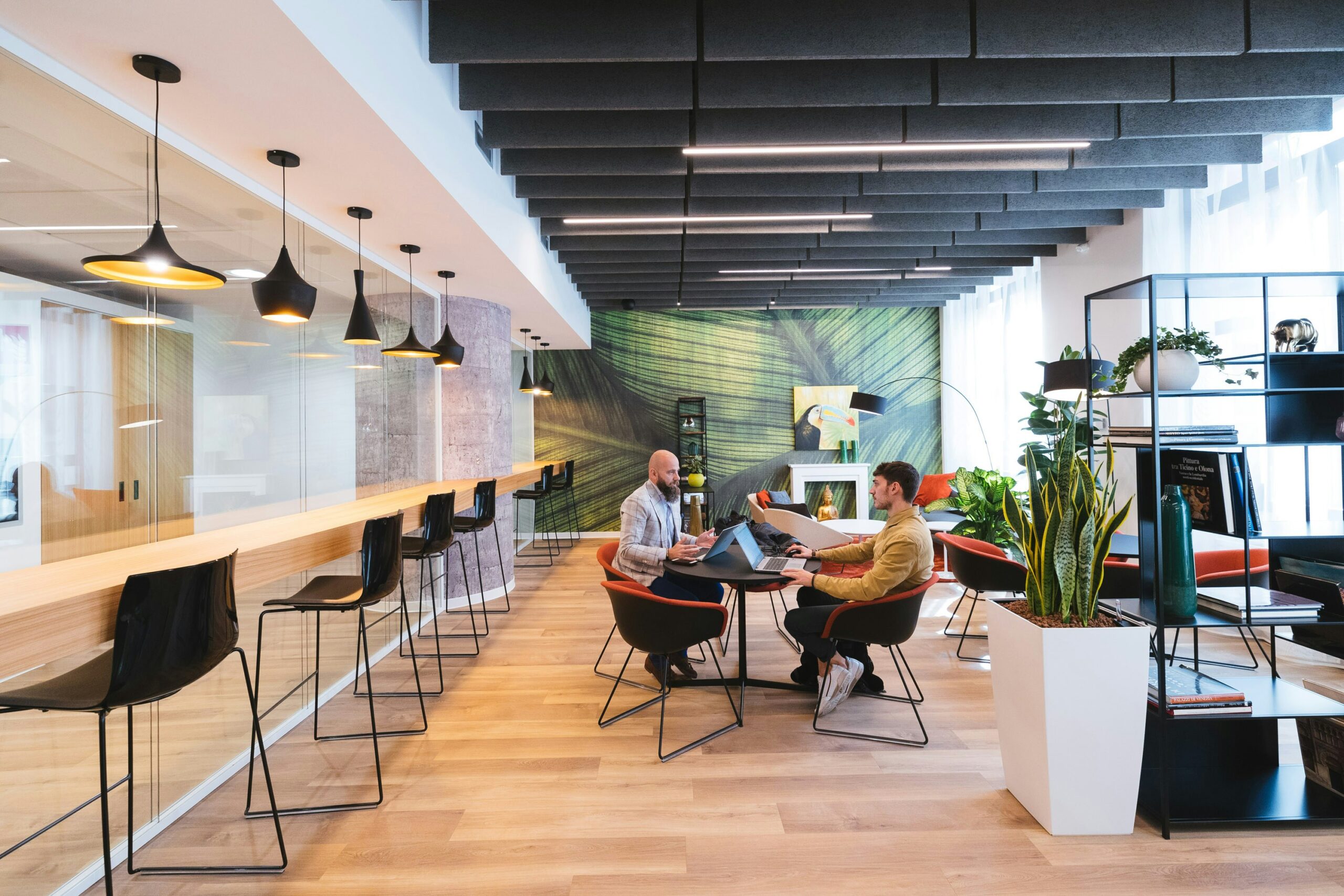
Transform your workspace! Discover how window film, murals, & floor graphics can enhance branding, engagement, & customer experience.

Transform Your Workspace: The Creative Power of Commercial Graphics

By | Commercial

Remember when office design meant beige walls, fluorescent lighting, and motivational posters featuring eagles soaring over mountains? Yeah, those days are thankfully behind us. Today’s successful businesses understand that their physical space isn’t just where work happens—it’s a powerful tool for branding, employee engagement, and creating memorable customer experiences.

If you’re still thinking graphics and signage are just about slapping your logo on the front door, it’s time for an upgrade. Modern commercial graphics—including window film, wall murals, and floor graphics—have evolved into sophisticated design elements that can completely transform how people experience your business.

Your Office Walls Are Wasted Real Estate

Let’s be honest: most office spaces are boring. White walls, generic furniture, and maybe a few framed prints from the furniture store. It’s functional, sure, but it’s also forgettable. And in a competitive market where you’re trying to attract top talent and impress clients, “forgettable” isn’t exactly the vibe you’re going for.

Wall murals and graphics offer an incredible opportunity to inject personality, energy, and purpose into your workspace. Imagine walking into your office and seeing a stunning visual representation of your company’s mission, your team’s achievements, or imagery that captures your brand’s essence. It’s not just decoration—it’s a daily reminder of why everyone shows up to work.

Custom wall graphics can showcase your company timeline, highlight your values, or create themed environments in different departments. Your creative team’s space could feature bold, energizing colors and patterns. Your quiet focus areas could incorporate calming nature scenes or abstract designs. The possibilities are limited only by your imagination and wall space.

The best part? Unlike traditional paint or wallpaper, commercial-grade wall graphics are relatively easy to install and update. When your brand evolves or you want to refresh your space, you’re not stuck with what you chose five years ago. This flexibility is particularly valuable for growing businesses that need their physical space to evolve alongside their brand.

Window Film: Privacy Meets Personality

Conference rooms with glass walls are great for maintaining that open, collaborative vibe—until you need to have a confidential conversation and everyone outside can see your presentation slides. This is where decorative window film becomes a game-changer.

Transform your workspace! Discover how window film, murals, & floor graphics can enhance branding, engagement, & customer experience.

Frosted or etched window film provides privacy without sacrificing natural light. But here’s where it gets interesting: that window film doesn’t have to be plain frosted glass. You can incorporate your logo, brand patterns, or custom designs that serve double duty as privacy solution and branding opportunity.

Think about every conference room, office partition, and glass door in your building. Each one is a blank canvas waiting to reinforce your brand identity. Clients walking through your space should immediately understand who you are and what you stand for, and strategic window graphics play a subtle but powerful role in creating that cohesive experience.

Floor Graphics: The Forgotten Surface

Quick question: when was the last time you thought about your floors as marketing real estate? If the answer is “never,” you’re missing out on one of the most versatile applications in commercial graphics.

Floor graphics have exploded in popularity over the past few years, and for good reason. They’re perfect for:

Wayfinding and Navigation: Large facilities like office complexes, medical centers, or retail spaces can use floor graphics to guide visitors exactly where they need to go. No more confused clients wandering the halls looking for the right conference room.

Promotional Messaging: Retail businesses can create eye-catching floor displays that promote sales, new products, or seasonal offerings. They’re unexpected, which makes them attention-grabbing.

Social Distancing and Safety: The pandemic taught us the value of clear spatial markers. Even as concerns have evolved, floor graphics remain useful for queue management and organizing high-traffic areas.

Brand Reinforcement: Your lobby floor is prime real estate. A well-designed floor graphic featuring your logo or tagline makes an immediate impression on everyone who enters.

Modern floor graphics are durable, slip-resistant, and designed to withstand heavy foot traffic. They’re not going to wear out in a week or become a safety hazard. Quality materials and professional installation ensure they look great and perform well for the long haul.

Tell Your Story Visually

Here’s something most business owners don’t think about: your customers and employees are constantly forming impressions based on their environment. A sterile, generic office communicates something very different than a thoughtfully designed space that reflects your brand’s personality and values.

Wall murals, in particular, offer an incredible opportunity for storytelling. You could create a timeline wall that showcases your company’s journey from startup to industry leader. Or design a mural that illustrates your product’s impact on customers’ lives. Maybe you feature your team members in a creative, engaging way that shows clients the people behind the brand.

The point is to create visual interest that serves a purpose beyond “looking nice.” Every graphic element in your space should either reinforce your brand, communicate your values, or enhance the experience of being in your space.

The Local Advantage Matters

When it comes to commercial graphics installation, quality and expertise make all the difference. Poor installation can result in bubbling, peeling, or graphics that don’t align properly—basically turning your investment into an eyesore.

Working with local commercial graphics professionals ensures you’re getting personalized service from people who understand your specific needs. They can visit your space, assess the surfaces and lighting, and recommend solutions that actually work for your environment. They’re also available if you need adjustments or have questions after installation.

Local providers have reputations to maintain in their communities. They rely on referrals and repeat business, which means they’re motivated to deliver excellent results every single time.

Make Your Space Work Harder

Your office, retail space, or facility is more than just a place where business happens. It’s a reflection of your brand, a tool for employee engagement, and an opportunity to create memorable experiences for customers and clients.

Commercial graphics—whether window film, wall murals, or floor graphics—transform ordinary spaces into environments that tell stories, guide behavior, and reinforce your brand identity at every turn.

The question isn’t whether you can afford to invest in quality commercial graphics. The real question is whether you can afford not to, especially when your competitors are creating inspiring, memorable spaces that make yours look outdated by comparison.

Ready to see what’s possible? You can connect with local commercial graphics professionals who can help you reimagine your space and turn those blank walls, clear windows, and forgotten floors into powerful brand assets.

If you have questions about these films, contact us at (417) 823-8715. We are located in Springfield, Missouri and cover the entire surrounding areas.

Your smart home is missing one critical layer. Safety window film costs less than you think & provides protection your cameras can't.

The Security Layer Your Smart Home Is Missing (And Why It Costs Less Than You Think)

By | Home, Safety & Security Window Film

Let’s be honest: if you’re a homeowner in 2025, there’s a decent chance your house is smarter than you are.

You’ve got a doorbell that records every squirrel that dares approach your porch. Your locks respond to voice commands (when they feel like it). You can watch live footage of your living room from a beach in Cancun. Your home security system sends you so many notifications that you’ve started ignoring them like they’re texts from your extended family.

You’ve invested hundreds, maybe thousands, of dollars into turning your home into Fort Knox 2.0.

And yet, here’s the uncomfortable truth: a determined burglar with a brick can still get through your front window in about three seconds flat.

Houston, We Have a Problem (And So Does Seattle, Denver, and Every Other City)

Don’t get me wrong—smart home security systems are fantastic. With equipment costs ranging from $200 to $1,000 and monthly monitoring fees between $10 and $50, they’ve become a standard investment for safety-conscious homeowners. They alert you when something’s wrong, they record evidence, and they definitely make that cool “armed” beeping sound that makes you feel like you’re in a spy movie.

But here’s what they don’t do: physically stop someone from breaking your window.

Your smart home is missing one critical layer. Safety window film costs less than you think & provides protection your cameras can't.

Your $800 smart security system is essentially a very expensive tattletale. It’ll tell you someone’s breaking in—possibly even notify the authorities—but it won’t actually prevent the break-in itself. It’s like having a friend who watches someone steal your lunch and then sends you a detailed text about it afterward. Helpful? Sure. But you’re still hungry.

And let’s talk about the other elephant in the room: smart devices are vulnerable to hacking and can even be disabled by tech-savvy intruders. Your fancy Wi-Fi-enabled security might be outsmarted by someone with a laptop and a YouTube tutorial. Plus, what happens during a power outage? Or when your internet inevitably goes down at the worst possible moment? (It’s not paranoia if it’s happened to you three times already.)

Enter the Low-Tech Hero: Safety Window Film

Here’s where we talk about the security solution that doesn’t need a software update, won’t accidentally record your embarrassing dance sessions, and costs less than most people spend on holiday decorations.

Safety window film.

I know, I know—it sounds decidedly unsexy compared to AI-powered cameras and biometric locks. But stick with me here, because this stuff is basically the quiet superhero of home security.

Safety window film is a thick, transparent layer that adheres to your windows and holds the glass together when something tries to break it. Unlike your smart doorbell that watches the crime unfold in crisp 1080p, safety film actually physically prevents entry by keeping the glass intact even after impact.

Think of it this way: your smart home security is the alarm system that calls the fire department. Safety window film is a fire-resistant material that keeps your house from burning down in the first place. Both are valuable, but one is a lot more helpful in the critical first moments.

The Math That Makes Sense (Even During Holiday Budget Season)

Now, I promised to talk about cost, because let’s face it—we’re heading into the season where your wallet is already crying. Between gifts, travel, and somehow spending $200 at Target when you only went in for lightbulbs, the last thing you need is another major expense.

Here’s the surprisingly good news: the typical residential window security film installation costs around $7-$8 per square foot. For a common job—let’s say your sliding glass patio doors with two panes—you’re looking at roughly $175-$250. The work usually takes about 45 minutes.

Read that again: $175-$250, installed, done in under an hour.

Your smart home is missing one critical layer. Safety window film costs less than you think & provides protection your cameras can't.

That’s less than many basic smart security system starter kits, and here’s the kicker: no monthly fees. Ever. Your safety film doesn’t require a subscription service, cloud storage, or tech support when it mysteriously stops working after an automatic update.

Even better? Safety film works 24/7, whether your power is on, your Wi-Fi is functional, or you remembered to charge your devices. It’s basically the honey badger of security solutions—it just doesn’t care about your technical difficulties.

Why You Need Both (Yes, Both)

Look, I’m not here to tell you to rip out your smart security system and go full caveman. Your cameras, sensors, and smart locks are genuinely valuable tools. They provide monitoring, evidence collection, and peace of mind when you’re away.

What I am saying is that physical security and digital security work best as a team.

Think of it as a layered defense strategy (or as I like to call it, the “good luck with that” approach to home security):

  1. Layer 1 (Safety Film): Makes breaking through your windows extremely difficult and time-consuming
  2. Layer 2 (Smart Security): Detects the attempt, alerts you and authorities, and records evidence
  3. Layer 3 (Bonus): The would-be burglar gives up and goes to bother your neighbor, who only has a “Beware of Dog” sign but no actual dog

Safety film buys you precious time. It forces intruders to make a lot of noise for a lot longer. And when paired with your existing smart system that’s recording everything and sending alerts? That’s a combination that makes most criminals decide your house isn’t worth the trouble.

The Bottom Line

Your smart home is impressive. Truly. But it’s only as secure as its weakest point—and right now, that’s probably your windows.

For about the cost of a modest family dinner out (or three months of your security system’s monitoring fees), you can add a layer of protection that doesn’t need batteries, won’t suffer from connectivity issues, and will still be working perfectly ten years from now.

This winter, while you’re already thinking about home protection and energy efficiency, consider giving your smart home the partner it deserves: good old-fashioned physical security that actually stops threats instead of just posting about them.

Because at the end of the day, the best home security system is the one that makes burglars look at your house and think, “Nope, not today.”

If you have questions about these films, contact us at (417) 823-8715. We are located in Springfield, Missouri and cover the entire surrounding areas.

Installing window film yourself? Learn why DIY installations often fall short & when it's worth calling a professional installer.

Why DIY Window Film Usually Looks DIY (And When to Call the Pros)

By | Decorative window film, Home

We’ve all been there. You’re scrolling through home improvement videos at midnight, watching someone effortlessly apply window film to create a stunning frosted glass effect. It looks so simple. Just peel, spray, smooth, and done. You think to yourself: I could totally do that this weekend.

And you know what? Maybe you could. But there’s a significant difference between “doing it” and doing it so well that guests assume your windows came that way from the factory.

The YouTube Video Doesn’t Show Everything

Those satisfying installation videos are real, but they’re also heavily edited. What you don’t see are the three failed attempts before the successful take, the specialized tools just off camera, or the installer’s five years of experience knowing exactly how much solution to use and when to stop smoothing.

The truth is, window film installation has a deceptively steep learning curve. The materials aren’t expensive and the process seems straightforward, which makes it feel like the perfect DIY project. But the gap between “installed” and “professionally installed” is wider than most homeowners expect.

Where DIY Installations Usually Go Wrong

The most common issue isn’t a complete disaster; it’s all the little imperfections that add up. Air bubbles that won’t disappear no matter how many times you squeegee. Edges that don’t quite reach the frame or, worse, extend slightly onto it. Dust particles trapped under the film that create tiny, permanent shadows. Creases that catch the light at certain angles.

These small flaws might not be obvious to you at first, especially if you’re standing right in front of the window. But step back, change the angle, or wait for different lighting conditions, and suddenly they’re all you can see. What was supposed to elevate your space starts to look like exactly what it is: a DIY project.

Then there’s the issue of waste. When you’re learning, you’re going to make mistakes. That first piece might not align properly. The second piece might get a crease you can’t remove. By the third attempt, you’ve used up your materials and you’re back at the store, turning your budget-friendly project into something that costs nearly as much as professional installation would have.

The Tools Make a Bigger Difference Than You Think

Professional installers don’t just have more experience; they have better tools. A proper squeegee isn’t the one you grabbed from the cleaning aisle. Application solution isn’t just soapy water in a spray bottle. The cutting tools, the measurement devices, the surface preparation materials: all of these matter more than most people realize.

You could buy all the right tools, of course. But now you’re investing in specialized equipment you’ll use once, maybe twice in your lifetime. The math starts to change quickly.

When DIY Actually Makes Sense

Let’s be honest: there are situations where tackling window film yourself is perfectly reasonable. If you’re covering a small, flat window in a low-traffic area where perfection isn’t critical—like a basement workshop or garage—DIY can work fine. You’ll learn something, save some money, and any imperfections won’t bother you much.

Small decorative accents can also be good DIY territory. Adding a frosted border to a medicine cabinet mirror or creating a privacy strip on a single bathroom window are projects where the stakes are lower and the margin for error is more forgiving.

But here’s the key question: would you rather have it done, or done right?

When It’s Time to Call a Professional

Some windows practically demand professional installation. Large picture windows with no room for error. Custom shaped or curved glass. High-end bathrooms where every detail matters. Windows in prominent locations where imperfections will be visible to everyone who visits your home.

If you’re using window film as part of a larger renovation or design project, professional installation ensures it matches the quality of everything else you’re investing in. Nothing undermines an expensive kitchen or bathroom remodel quite like window film with visible bubbles or misaligned edges.

Energy-efficient or UV-blocking films also warrant professional installation. These films are an investment in protecting your furnishings and reducing your energy costs. Poor installation can compromise their effectiveness, costing you money in the long run and defeating the entire purpose of installing them.

The Real Value of Professional Installation

What you’re really paying for with professional installation isn’t just the labor—it’s the result. Professionals guarantee their work. If something goes wrong, they fix it. If a bubble appears weeks later, it comes back. You’re not stuck with an expensive mistake or facing another trip to buy more materials.

There’s also something to be said for efficiency. What might take you an entire Saturday (plus the Friday night you spent watching tutorials and the Sunday morning you spent fixing mistakes) takes a professional a few hours. Your weekend remains your own, and the job is done right the first time.

Most importantly, professional installation looks professional. The edges are crisp. The surface is perfectly smooth. The alignment is exact. It’s the difference between a home improvement project and a home improvement.

Making the Right Choice for Your Project

The decision between DIY and professional installation ultimately comes down to your specific situation. Consider the visibility of the windows, the complexity of the installation, the value of your time, and how much the final result matters to you.

If you’re still unsure, many professional installers offer free consultations. They can assess your project, provide an accurate quote, and help you understand exactly what’s involved. You might discover that professional installation costs less than you expected—especially when you factor in materials, tools, and the risk of mistakes.

Remember, your windows are one of the most visible features of your home, both inside and out. They impact your privacy, comfort, energy bills, and the overall aesthetic of your home. That’s not really the place you want to learn through trial and error.

Sometimes the most satisfying DIY decision is knowing when to call in the experts.

If you have questions about these films, contact us at (417) 823-8715. We are located in Springfield, Missouri and cover the entire surrounding areas.

Discover how commercial window film solves temperature imbalances, reduces energy costs, and keeps employees comfortable year-round.

Post Body: The Hot Desk Problem: Why Your Office Temperature Is Sabotaging Productivity (And How to Fix It)

By | Commercial

You know the scene. It’s 2 PM on a Tuesday, and Jennifer from accounting is wearing a winter coat at her desk while Tom in the corner office has his personal fan on full blast.

The conference room with all those beautiful windows? Nobody wants to book it for afternoon meetings anymore because it’s unbearable. That desk by the south-facing window that used to be prime real estate? It’s been empty for three months because whoever sits there spends half their day complaining about the heat.

Sound familiar?

If you own or manage an office building, you’ve lived this nightmare. Employees are cranky. People are constantly griping about being too hot or too cold. You’re rotating desk assignments, trying to keep everyone happy, and morale is taking a hit because comfort has become a daily battle.

But here’s the plot twist: the problem isn’t your HVAC system, your employees, or even that one person who’s always cold. The problem is your windows.

Discover how commercial window film solves temperature imbalances, reduces energy costs, and keeps employees comfortable year-round.

The Real Cost of the Corner Office

Let’s talk about what’s actually happening in your building. Right now, you probably have offices or desks near windows that turn into saunas every afternoon. The sun pours through those beautiful floor-to-ceiling windows you paid extra for, and suddenly that premium corner office becomes the least desirable spot in the building.

Meanwhile, interior offices and spaces away from windows stay relatively cool. Your HVAC system is working overtime trying to balance everything out, your energy bills are through the roof, and nobody’s happy. You’ve tried adjusting the thermostat. You’ve tried closing blinds (goodbye, natural light and that expensive view). You’ve even considered rearranging the entire office layout.

But none of it works because you’re treating the symptom, not the disease.

Why Your Expensive HVAC System Can’t Win This Battle

Here’s what most building owners don’t realize: untreated windows allow an insane amount of solar heat to pour directly into your space. We’re not talking about a few degrees of difference. We’re talking about temperature variations of 10, 15, even 20 degrees between the sunny side and the shaded side of your office.

Your HVAC system was designed to maintain a consistent temperature in a controlled environment. It wasn’t designed to compete with the sun blasting through glass all day long. So what happens? The system works harder, runs longer, breaks down faster, and still can’t create the comfort everyone’s demanding.

Think about the domino effect this creates. Your system is constantly running, which means higher energy costs every single month. The overwork leads to more frequent maintenance calls and earlier replacement needs. And while all this is happening, your employees are uncomfortable, distracted, and less productive.

It’s like trying to heat your house with the front door wide open and wondering why your furnace keeps running.

The Productivity Problem Nobody’s Talking About

Let’s get real about what temperature discomfort actually costs your business. Study after study shows that productivity drops significantly when people are too hot or too cold. We’re not talking about minor inconveniences here. We’re talking about measurable decreases in work output, increased errors, and higher employee dissatisfaction.

When someone is uncomfortably hot, their brain is focused on being hot, not on the spreadsheet in front of them. When they’re shivering at their desk, they’re thinking about their next coffee run to warm up, not about solving your business problems. And when they’re constantly getting up to adjust personal fans, space heaters, or battling over the thermostat, that’s time and mental energy not being spent on actual work.

Plus, there’s the morale factor. Nothing says “we don’t care about your comfort” quite like forcing employees to dress in layers year-round or watching them suffer through another sweltering afternoon in what should be a climate-controlled office. In today’s competitive job market, workplace comfort isn’t a luxury anymore. It’s an expectation.

Enter Commercial Window Film: The Solution That Actually Works

Here’s where things get interesting. Commercial window film solves the hot desk problem at its source by controlling the amount of solar heat that enters through your windows in the first place. It’s not about blocking light or sacrificing your views. It’s about filtering out the heat while keeping the benefits of natural light.

Discover how commercial window film solves temperature imbalances, reduces energy costs, and keeps employees comfortable year-round.Quality window film can reject up to 80% of solar heat before it ever enters your building. That means the sun-drenched corner office stays comfortable. The conference room with the wall of windows doesn’t turn into a greenhouse by noon. And suddenly, your HVAC system can actually do its job because it’s not fighting a losing battle against solar radiation.

The result? Consistent temperatures throughout your office. No more hot zones. No more thermostat wars. No more employees using personal space heaters and fans that drive your energy costs even higher.

The Beauty of Natural Light Without the Punishment

One of the biggest hesitations business owners have about window film is the fear of losing natural light. They’ve invested in spaces with great windows and views specifically to create a bright, appealing work environment. The last thing they want is to make everything dark and depressing.

Here’s the good news: modern window film technology has come a long way. Today’s commercial films are designed to reject heat and UV rays while maintaining high visible light transmission. Your office stays bright and your views stay clear. Your employees get all the benefits of natural light (better mood, better focus, better overall wellbeing) without the punishment of excessive heat.

You can literally have your cake and eat it too. Natural light without the sauna effect. Views without the greenhouse temperatures. Bright, attractive workspaces that are actually comfortable to work in.

The Investment That Pays You Back

Let’s talk money because that’s what really matters. Commercial window film isn’t just an expense. It’s an investment that starts paying for itself immediately through reduced energy costs. Your HVAC system runs less frequently and less intensely. Your peak cooling costs drop significantly. And the extended lifespan of your equipment means fewer replacement costs down the road.

Most businesses see a return on investment within just a few years, and the film itself can last 15 years or more with proper care. Compare that to the ongoing costs of excessive energy use, HVAC repairs, and employee dissatisfaction, and the math becomes pretty compelling.

Stop Managing the Problem and Start Solving It

You’ve tried everything else. You’ve adjusted schedules, rearranged offices, upgraded thermostats, and maybe even invested in HVAC improvements. But until you address the root cause of temperature imbalance in your building, you’re just moving like deck chairs on the Titanic.

Commercial window film solves the hot desk problem once and for all. It creates the consistent, comfortable environment your employees deserve and your business needs to thrive. No more complaints. No more thermostat battles. No more choosing between natural light and comfortable temperatures.

Your corner offices can finally live up to their premium status. Your energy bills can finally come down. And your employees can finally focus on their work instead of their discomfort.

Isn’t it time you stopped managing the temperature problem and actually solved it?

If you have questions about these films, contact us at (417) 823-8715. We are located in Springfield, Missouri and cover the entire surrounding areas.

Discover residential window film—the home upgrade new homeowners don't know about. Learn how this simple solution reduces energy costs, protects furniture, and increases comfort.

Residential Window Film: The Home Upgrade You’ve Never Heard Of (But Definitely Need)

By | Home

Congratulations on your new home! Between choosing paint colors, figuring out which furniture fits where, and learning how to use your thermostat, you’ve probably got your hands full.

But there’s one home improvement solution you might not have on your radar yet—and it could solve multiple problems you didn’t even know you had.

Enter residential window film: the unsung hero of home upgrades that somehow flies under the radar despite being around for decades.

What Exactly Is Residential Window Film?

Think of window film as a protective skin for your windows. It’s a thin, polyester-based laminate that adheres directly to your glass surfaces, transforming ordinary windows into high-performance barriers against heat, glare, and harmful UV rays. Unlike traditional window treatments that hang in front of or behind your glass, window film becomes part of the window itself.

The technology works by increasing your glass’s solar reflectivity and heat absorption capabilities. Essentially, it’s like giving your windows an invisible shield that blocks unwanted elements while still letting in natural light. You get all the benefits of your beautiful views without the downsides that come with untreated glass.

Why Haven’t You Heard About This Before?

Here’s the thing: residential window film has been quietly improving homes since the 1960s, when it was first developed for automotive and commercial applications. Over the decades, the technology evolved and eventually made its way into residential spaces. But unlike flashy renovations like open-concept kitchens or smart home devices, window film does its job without calling attention to itself.

It’s also not something you’d typically encounter unless you specifically went looking for it. Home improvement stores focus on more visible upgrades, and unless you’ve experienced a specific problem—like uncomfortably hot rooms or faded furniture—you might never think to search for a solution.

Window film is one of those “you don’t know what you’re missing” products that often gets discovered through word-of-mouth or when homeowners start researching ways to reduce energy costs.

The Benefits That Matter to New Homeowners

Now for the good stuff—here’s why residential window film deserves a spot on your home improvement list:

Enhanced Comfort and Energy Efficiency

Those sunny rooms that looked so appealing during your home tour? They might feel more like a sauna come summer. Window film can reject up to 80% of solar heat, keeping your interior spaces comfortable without cranking the AC. This translates to lower energy bills—something every new homeowner can appreciate when the monthly expenses start adding up. During winter months, certain films even provide insulating properties that help retain heat.

Protection for Your Investment

You just spent a considerable amount on furnishings, flooring, and décor. UV rays are relentless at breaking down materials, causing colors to fade and fabrics to deteriorate. Window film blocks up to 99% of harmful UV radiation, acting as sunscreen for your belongings. That beautiful hardwood floor or your new sofa? They’ll maintain their appearance far longer with window film protection.

Privacy Without Sacrificing Light

Many new homeowners struggle with the privacy-versus-natural-light dilemma. Window film offers various opacity options that obscure outside views into your home while still allowing sunlight to filter through. It’s perfect for street-facing windows, bathrooms, or home offices where you want privacy without making the space feel dark and closed-off.

Increased Safety and Security

Here’s a benefit many people don’t consider: window film holds glass together if it breaks. In the event of severe weather, accidents, or attempted break-ins, the film acts as a binding agent that prevents glass from shattering into dangerous shards. For families with young children or pets, this added safety feature provides invaluable peace of mind.

Glare Reduction for Modern Living

Between remote work, streaming entertainment, and smart home displays, we interact with screens more than ever. Window glare can make it nearly impossible to see your computer monitor or TV during certain times of day.

Window film eliminates this frustration, making your living and working spaces functional throughout the day.

Making the Smart Choice for Your Home

As a new homeowner, you’re making countless decisions about where to invest your time and money. Residential window film offers an impressive return on investment through energy savings, extended furniture life, and improved comfort. It’s a relatively quick installation process that delivers immediate results—and unlike many home improvements, you’ll notice the difference right away.

Best of all, quality window film is designed to last for years with minimal maintenance. It’s a set-it-and-forget-it upgrade that continues working for you day after day, season after season.

The home improvement world is full of trends that come and go, but sometimes the best solutions are the ones that quietly do their job without fanfare.

Residential window film might not be the flashiest upgrade you’ll make to your new home, but it could very well be one of the smartest.

If you have questions about these films, contact us at (417) 823-8715. We are located in Springfield, Missouri and cover the entire surrounding areas.

As companies begin fighting against remote work, they can make the office more appealing to employees with decorative window film.

Office Design Revolution: $26B Window Film Industry Solves Remote Work Crisis

By | Commercial, Decorative window film

The Office Design Revolution: How $26 Billion Window Film Industry Is Solving the Remote Work Crisis

Companies across America are facing an unprecedented challenge: how do you convince employees who’ve tasted the freedom of remote work to return to sterile glass boxes? The answer isn’t higher salaries or better coffee—it’s a complete reimagining of workspace design using technology that transforms ordinary glass into branded, private, inspiring environments. Welcome to the decorative window film revolution that’s saving the modern office.

The $26 Billion Solution to Corporate America’s Biggest Problem

The numbers tell a stark story. According to industry analysis, the global window film market is exploding from $14.5 billion in 2025 to a projected $26 billion by 2035—a staggering 6% compound annual growth rate driven largely by commercial demand for workspace transformation solutions.

But this isn’t just about market growth. It’s about corporate survival. Companies that invested in sterile glass office spaces during the pre-pandemic construction boom now find themselves with beautiful, expensive buildings that employees actively avoid. The solution isn’t tearing down walls—it’s transforming what already exists.

Recent surveys reveal that traditional office environments are failing spectacularly. The American Psychological Association found that high-paneled cubicles “appear to undermine worker productivity the most, while closed offices have a particularly isolating effect.” Yet completely open floor plans leave employees feeling exposed and distracted. Decorative window film offers the perfect middle ground: maintaining openness while creating the privacy and personalization that modern workers crave.

The Privacy Paradox: Why Glass Offices Are Driving Employees Away

The pandemic fundamentally changed what employees expect from their workspace. After years of working from private home offices, the prospect of returning to fishbowl conference rooms and transparent work areas feels like a massive downgrade in quality of life.

Consider the psychological impact of constant visibility. Employees report feeling “always on display” in glass-heavy office environments, leading to increased stress, reduced creativity, and a constant sense of being monitored. This visibility anxiety has become a major factor in employee reluctance to return to traditional office settings.

The privacy crisis extends beyond comfort into practical functionality. Confidential client calls, sensitive HR discussions, and creative brainstorming sessions all suffer when conducted in transparent environments. Many companies find their expensive glass conference rooms sitting empty because employees actively avoid spaces that offer no privacy.

The irony is stark: companies invested millions in glass architecture to create “open, collaborative” environments, only to discover that this openness actually inhibits the collaboration they sought to encourage. The solution isn’t architectural—it’s technological.

Beyond Privacy: The Brand Identity Crisis in Generic Offices

Modern businesses face another challenge that decorative window film uniquely addresses: creating distinctive brand experiences in generic commercial spaces. As companies compete for top talent, workplace brand identity has become a crucial differentiator.

Traditional office branding was limited to lobby signage and painted accent walls. But decorative window film transforms every glass surface into a branding opportunity. Corporate logos, brand colors, and company values can be subtly integrated throughout the workspace, creating immersive brand experiences that reinforce company culture and values.

Custom patterns, geometric designs, and industry-specific graphics can reflect company personality in ways that traditional décor cannot achieve. Tech companies can incorporate circuit-board patterns, financial firms can use sophisticated geometric designs, and healthcare organizations can integrate calming natural motifs—all while maintaining the privacy and functionality that modern workers demand.

This level of customization was previously available only through expensive etched glass installations that cost 10-20 times more than decorative film solutions. The democratization of custom glass design through film technology makes sophisticated branding accessible to companies of all sizes.

The Science of Productivity: How Visual Environment Affects Performance

Research in environmental psychology reveals that visual environment dramatically impacts cognitive performance, creativity, and employee well-being. Decorative window film leverages these findings to create workspaces that actively support productivity rather than hindering it.

Controlled visual stimulation through patterned or textured films can reduce the mental fatigue associated with bland, sterile environments. Natural patterns—tree branches, flowing water designs, organic textures—activate the same psychological responses that improve focus and reduce stress in natural environments.

The biophilic design movement recognizes humans’ innate connection to nature, and decorative films can bring these elements into urban office spaces without the maintenance challenges of living plants or water features. Employees report feeling more relaxed and focused in environments that incorporate these natural design elements.

Color psychology plays a crucial role in workspace design. Different hues and patterns can stimulate creativity, encourage collaboration, or promote focused concentration depending on their application. Decorative films allow companies to create zones optimized for different types of work—energizing colors in collaboration areas, calming tones in focused work zones.

Technology Integration: Smart Films for Smart Offices

The cutting edge of decorative window film technology includes switchable privacy films that can instantly transform from transparent to opaque with electrical control. These “smart films” address the dynamic nature of modern workspaces, where the same space might need to serve multiple functions throughout the day.

Imagine conference rooms that automatically switch to privacy mode when meetings begin, or collaborative spaces that can instantly become private for sensitive discussions. This technology eliminates the need for traditional blinds or curtains while providing unprecedented control over privacy and ambiance.

Integration with building automation systems allows smart films to respond to calendar scheduling, occupancy sensors, or manual controls via smartphone apps. This level of integration represents the future of responsive workplace design, where the environment automatically adapts to support the work being performed.

Some advanced films even offer “Window Cloaking” technology that can black out LED screens from external view while maintaining normal transparency for other purposes—crucial for protecting sensitive information in today’s security-conscious business environment.

Economic Impact: The ROI of Workplace Transformation

The financial benefits of decorative window film installation extend far beyond the initial investment. Companies report significant returns through multiple channels: improved employee retention, enhanced recruitment capabilities, reduced real estate needs, and increased productivity.

Employee retention represents the most substantial financial impact. The cost of replacing a skilled employee ranges from 50% to 200% of their annual salary when factoring in recruitment, training, and lost productivity. Workplace improvements that increase retention by even modest percentages generate enormous savings.

Recruitment advantages in competitive job markets can be substantial. Companies with distinctive, comfortable work environments consistently attract better candidates and can often hire at lower salary levels than competitors with generic office spaces. The workplace itself becomes a recruiting tool.

Real estate efficiency improvements allow companies to maximize utilization of existing space rather than expanding footprints. When employees actually want to use conference rooms and collaborative spaces, organizations can support larger teams in smaller areas—directly impacting rental and operational costs.

Energy efficiency represents an often-overlooked benefit. Many decorative films provide UV protection and solar heat reduction, lowering cooling costs while protecting furniture and equipment from sun damage. These energy savings accumulate over time, improving the long-term ROI of film installations.

decorative window film, office design transformation, workplace privacy solutions, commercial window graphics, office branding, remote work solutions, modern office design, commercial interior design

Installation Innovation: Minimal Disruption, Maximum Impact

Modern decorative window film installation has evolved to address corporate concerns about business disruption. Professional installation typically requires minimal space downtime, often completed outside normal business hours or in phases that maintain office functionality.

Unlike renovation projects that can disrupt operations for weeks, film installation usually completes within days. The process involves no drilling, no permanent structural changes, and no extensive cleanup. Employees can often continue working in adjacent areas without significant inconvenience.

The reversible nature of film installations provides future flexibility that permanent modifications cannot match. Companies can update designs for rebranding, seasonal campaigns, or changing functional needs without major renovation expenses. This adaptability proves particularly valuable for growing businesses or those in evolving industries.

Quality installations include warranties that protect the investment and ensure long-term satisfaction. Professional installers understand the specific requirements of commercial environments, including fire codes, safety regulations, and accessibility compliance that DIY installations might overlook.

Industry-Specific Solutions: Tailored Approaches for Different Sectors

Different industries face unique challenges that decorative window film can address through specialized applications and design approaches.

Healthcare facilities benefit enormously from films that create calming environments while meeting strict privacy requirements. HIPAA compliance becomes easier to maintain in treatment areas with appropriate visual barriers, while natural patterns and soft colors reduce patient anxiety and promote healing.

Financial institutions use sophisticated geometric patterns and brand integration to project stability and professionalism while protecting client confidentiality during sensitive consultations. The ability to quickly switch between transparent and private modes proves invaluable for customer-facing spaces.

Educational institutions leverage decorative films to create inspiring learning environments while addressing security concerns. School colors, mascots, and educational themes can be incorporated into glass surfaces throughout campuses, building school spirit while maintaining necessary sight lines for safety.

Technology companies often embrace bold, innovative patterns that reflect their cutting-edge culture while providing the privacy needed for sensitive development work. Circuit board patterns, data visualization motifs, and futuristic designs help attract top technical talent while supporting actual work requirements.

The Future of Workplace Design: Beyond Traditional Boundaries

The decorative window film revolution represents more than a temporary design trend—it signals a fundamental shift in how we think about workplace environments. As hybrid work models become permanent features of business operations, office spaces must evolve to provide experiences that employees cannot replicate at home.

The successful offices of the future will be those that embrace flexibility, personalization, and sensory engagement rather than trying to recreate the standardized environments of the past. Decorative window film technology provides the tools to create these adaptive, responsive spaces.

Integration with other smart building technologies will continue advancing, creating environments that respond intelligently to occupancy, weather, time of day, and specific work requirements. The glass surfaces that once seemed like barriers between indoor and outdoor environments will become dynamic interfaces that enhance the human experience.

Making the Transformation: Strategic Implementation

Companies ready to embrace this transformation should approach decorative window film implementation strategically. Begin with high-impact areas like main conference rooms, reception areas, and collaborative spaces where the benefits will be most visible to both employees and visitors.

Pilot programs allow organizations to test different film types and designs before committing to building-wide installations. Employee feedback during these pilots provides valuable insights for optimizing the final design approach.

Professional consultation ensures that film selections align with functional requirements, aesthetic goals, and budget constraints. Experienced installers can recommend solutions that balance privacy needs, brand expression, and practical considerations like maintenance and longevity.

The workspace revolution is happening whether companies participate or not. Forward-thinking organizations are leveraging decorative window film technology to create environments that attract talent, inspire creativity, and support the evolving nature of modern work.

Don’t let your office become a relic of pre-pandemic thinking. Transform your glass surfaces into strategic assets that support your business goals while creating the workplace experience that today’s employees demand. The technology exists, the benefits are proven, and the cost is surprisingly accessible.

Your windows are waiting to tell your story. Make it a story that brings employees back to the office because they want to be there, not because they have to be.

If you have questions about these films, contact us at (417) 823-8715. We are located in Springfield, Missouri and cover the entire surrounding areas.

Discover how window safety film prevents 79% of break-in attempts through doors and windows. Get 24/7 protection, UV blocking, and energy savings with invisible security technology.

The Smart Way to Stop Burglars Before They Even Try to Break In

By | Safety & Security Window Film

Picture this: You’re enjoying a peaceful evening at home when suddenly, the unthinkable happens. A would-be intruder approaches your first-floor window, expecting easy access to your sanctuary. But instead of shattering glass and a successful break-in, they’re met with an invisible barrier that sends them running to find an easier target. This isn’t science fiction—it’s the reality of modern window safety film technology.

The Sobering Truth About Home Invasions

Let’s face it: your home’s windows might be beautiful, but they’re also the weakest link in your security chain. The statistics paint a clear picture that every homeowner should understand. According to recent FBI data, a staggering 79% of all break-in attempts occur through doors and first-floor windows, with ground-level windows accounting for 23% of all residential intrusions.

Even more concerning? The timing of these crimes has shifted dramatically. Contrary to popular belief about nighttime prowlers, 65% of residential burglaries now happen during daylight hours between 10 AM and 3 PM—precisely when most families are at work or school. This means your windows are vulnerable during the times you’d least expect.

“Most burglars claimed that they would avoid homes with large dogs,” reveals research from KGW8’s investigation into burglar behavior. But what if you don’t have a four-legged security system? That’s where window protection becomes your silent guardian.

Why Traditional Security Measures Fall Short

Many homeowners rely on alarm systems, believing they provide comprehensive protection. While these systems are valuable, they have a critical flaw: they only alert you after an intrusion has already begun. By then, damaged property and stolen belongings may already be inevitable.

The reality is stark—the average break-in lasts between 8 and 12 minutes, but entry itself typically requires less than 60 seconds. Traditional window glass, even tempered safety glass, offers virtually no resistance to determined intruders armed with common tools like screwdrivers, hammers, or pry bars.

One security consultant with 45 years of experience notes, “While there are numerous aspects to any comprehensive security program, if you are able to make the windows of a facility difficult or impossible to breach, you can significantly enhance the overall security of the site.”

The Game-Changing Solution: Safety Film Technology

Window safety film represents a revolutionary approach to home security that works 24/7, requires no monitoring fees, and provides immediate protection. These thin, virtually invisible films transform ordinary glass into a formidable barrier that can withstand repeated impacts from burglary tools.

But how exactly does it work? Safety film bonds to your existing glass, creating a reinforced surface that holds together even when struck with significant force. When an intruder attempts to break through, instead of shattering into dangerous shards that provide easy access, the glass stays largely intact within the film’s grip.

The psychological impact on potential intruders cannot be overstated. Burglars are opportunistic criminals who prefer quick, quiet entries. When faced with windows that won’t yield to their usual methods, most abandon their attempts and seek easier targets elsewhere.

Real-World Protection That Works

The effectiveness of safety film isn’t just theoretical—it’s proven in countless real-world scenarios. Professional security consultants who have tested these products under controlled conditions, including “live firing range conditions by elite law enforcement agencies,” consistently recommend them for clients with serious security concerns.

One business owner whose store was protected by similar technology shared their experience: “Around 5:30 AM, 3 individuals pulled up to the store, got out of a car, wearing masks and carrying bats and bricks. One started throwing a landscaping brick (~10 pounds) at the glass door… and the rock just bounced off.” The attempted burglary was completely thwarted, saving thousands in potential damages and stolen merchandise.

Beyond Security: Additional Benefits You’ll Love

While security is the primary concern, safety film delivers numerous additional benefits that make it an intelligent investment for any homeowner:

UV Protection: Quality films block up to 99% of harmful ultraviolet rays, protecting your furniture, flooring, and artwork from fading and sun damage.

Energy Efficiency: Many films help regulate indoor temperatures by reducing solar heat gain in summer and retaining warmth during winter, potentially lowering your energy bills.

Storm Protection: The same technology that stops intruders also provides crucial protection during severe weather, preventing flying debris from creating dangerous glass projectiles.

Privacy Options: Various tint levels and decorative patterns allow you to enhance privacy while maintaining the security benefits.

Making the Smart Choice for Your Family

With break-in attempts occurring every 26 seconds in the United States and residential burglaries representing 52.8% of all burglary offenses, protecting your home’s most vulnerable points isn’t just smart—it’s essential.

The investment in window safety film pays dividends in multiple ways: reduced insurance claims, lower replacement costs for windows and belongings, improved energy efficiency, and most importantly, enhanced peace of mind for your family.

Consider this: homes without security systems are 300% more likely to be burglarized. But even homes with alarm systems can benefit from the physical protection that safety film provides. After all, prevention is always better than reaction.

Your Next Step Toward Complete Home Security

Don’t wait until you become part of the statistics. Every day you delay protection is another day your home remains vulnerable to the 839,563 break-in attempts that occurred last year alone.

Window safety film isn’t just about stopping criminals—it’s about reclaiming your peace of mind and ensuring your family’s sanctuary remains exactly that: a safe haven where you can rest easy, knowing you’ve taken proactive steps to protect what matters most.

If you have questions about these films, contact us at (417) 823-8715. We are located in Springfield, Missouri and cover the entire surrounding areas.