

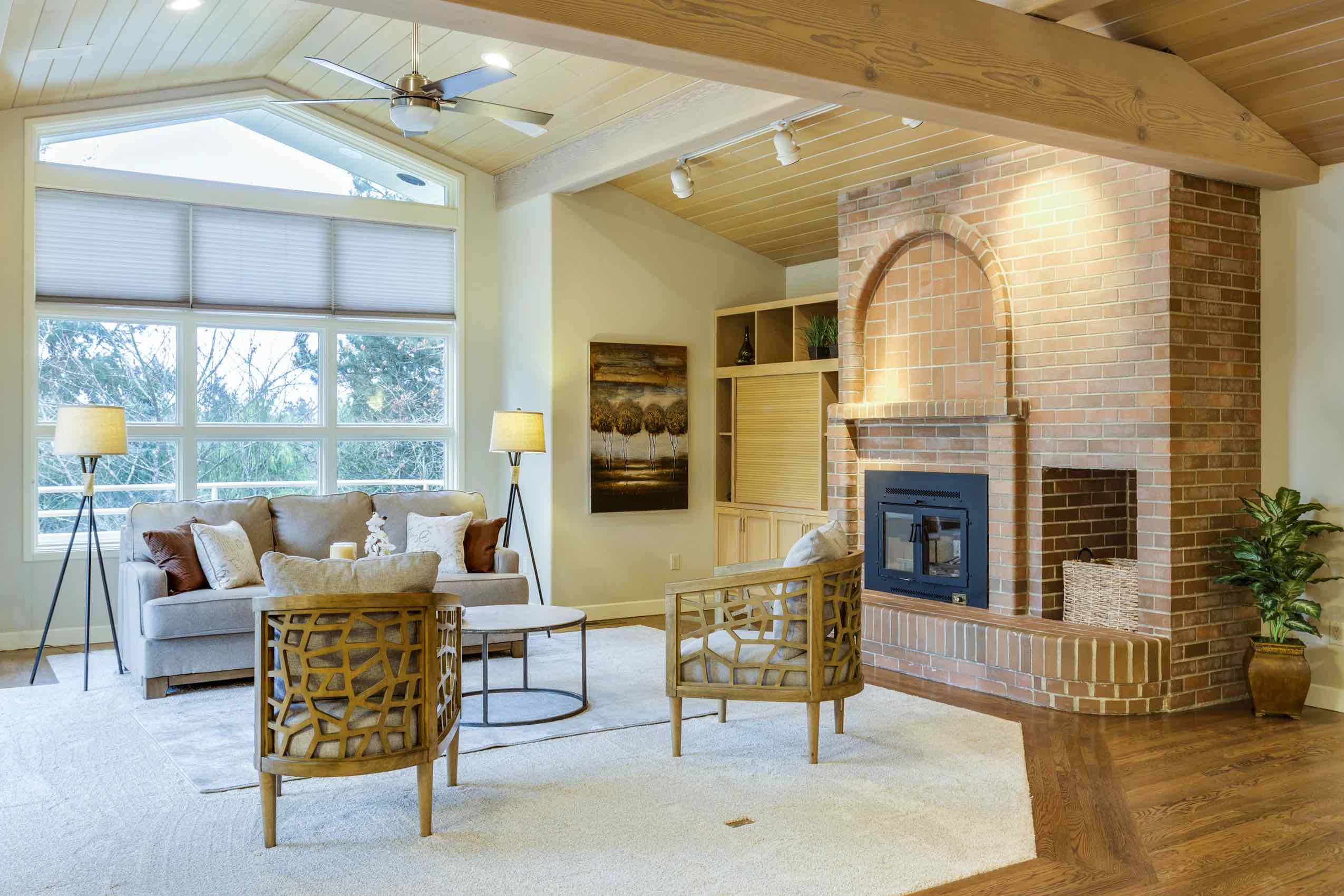
Have you ever considered a professional window film for your home? In this article, we wanted to explain the variety of ways that professionally installed home window film can upgrade the existing windows in your house. Unlike window film products of years ago, modern, innovative window films let in desirable light, block harmful UV rays, add insulation against outside climate extremes, and bring aesthetic upgrades to homes. It can be a solid return on investment when you work with professionals who know what they’re doing.
Despite this, there are still some unfortunate misconceptions carried over from more than two decades ago. We wanted to address these and explain a bit about how this new generation of window films work.
Does a window film alter the color of the light in your home?
The short answer? Nope!
For homeowners with a passion for interior design, there’s a misconception that a window film will alter the hue of the sunlight coming in from the window and affect the color palette in the room. While this may have been the case in the past with older technologies, the world of window films has changed a lot since its early days. The reality is that window films today can absorb heat and UV rays without using a dark or a metallic tint. While these films did reflect the sun and heat, they often did so while changing the look of a home and the nature of the light entering the home.
Newer technology in window films enable you to get heat rejection, glare reduction and UV protection while barely being noticeable on the glass. There are a variety of films to suit nearly any need, budget or desired appearance. To the original question, if you want great protection without a changing the color of the light, ask for color-neutral films.
Can window films reduce my energy costs?
If your home has a lot of windows that get sun throughout the day, air conditioning is likely needed to keep the rooms comfortable. Modern solar control window film act to stop the heat at the windows and reduce the amount of heat from the sun that enters your home. By reducing the amount of heat coming in, your air conditioning will not have to work as hard to keep the home at the desired temperature. The end result is less energy used and less wear and tear on your unit as it is not working as hard. Savings vary by particular house, number of windows, type of existing windows and the specific orientation of the home to the sun.
Does residential window film stop fading?
A common misconception is that UV rays are what cause faded floors and sun damage to furnishings. While they are certainly the largest component, as this chart illustrates, they only account for 40%. Solar heat and visible light are also major contributors, accounting for 25% of the problem. The last factor is comprised of a variety of this we simply put under the heading “Other”. These are things like interior lighting, humidity, etc.
 The great thing about modern window films is that they work to typically block 99+% of the UV portion of the chart, but also work to reduce the contributing factors of visible light and heat. A properly specified window film cannot completely stop fading, but it can significantly reduce the primary causes of fading and dramatically extend the life of floors, furniture and furnishings in your home.
We hope this article opened your eyes to a couple ways modern, professional window film can help upgrade your home. If you have any questions or would like to arrange for a free, no obligation consultation and quote, please contact Custom Shade today by calling (417) 823-8715 or fill out a form HERE. We are located in Springfield, Missouri and cover the surrounding area.
 Quality of Window Film Being Used – Like most things in life, window film / tint comes in a wide range of technologies and quality levels. It is critical when comparing different window film offerings that you understand the underlying product that will be used. First, let’s discuss quality. Window film is produced in various areas around the world at drastically differing quality levels. The construction of the film and the adhesive that holds it to the windows are where the rubber meets the road. The issue is that they all may look very similar the day you install them. Problems can arise if the film begins to fade, change color, delaminate, etc after a few years. Worse yet, it can begin to lose adhesion to the glass and bubble. You may have seen a window with film installed with this unfortunate problem.
 For example, on a hot summer day your air conditioning system might be struggling just to keep up with the demand to keep your home comfortable. Unfortunately, this demand for air conditioning is also happening all throughout your area at the same time. This spike in demand for energy allows the utility company to charge a premium on the energy you use during this period.

 From
From
Recent Comments